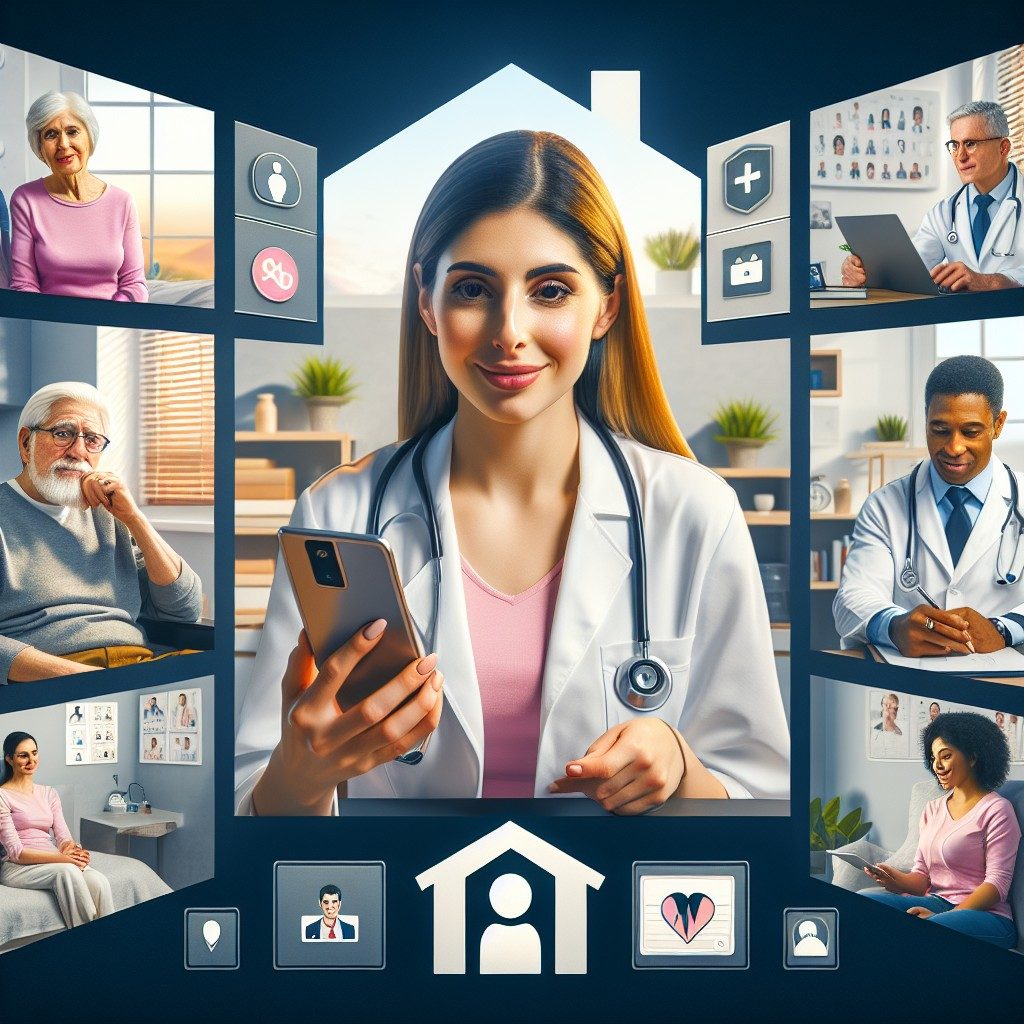
In the aftermath of significant disruptions such as natural disasters, pandemics, or major organizational changes, teams often face elevated levels of stress and uncertainty. Developing mental health first aid skills within teams has become an essential strategy to support wellbeing and maintain productivity during such challenging periods.
The Importance of Mental Health First Aid in Post-Disruption Contexts
Mental health first aid refers to the initial support provided to individuals experiencing mental health challenges or crises before professional help can be obtained. After major disruptions, employees and team members may face anxiety, depression, or post-traumatic stress symptoms, making early intervention crucial. Equipping teams with these skills enables prompt recognition of issues and prevents escalation, fostering a safer and more resilient work environment.
Key Components of Mental Health First Aid Training for Teams
Effective mental health first aid training focuses on recognizing warning signs, listening non-judgmentally, providing reassurance, and guiding individuals towards appropriate professional resources. Training often includes role-playing scenarios that mirror real workplace challenges. It also emphasizes cultural sensitivity and confidentiality, which are critical for building trust among team members during vulnerable moments.
Integrating Mental Health First Aid into Organizational Culture
For mental health first aid skills to have a lasting impact, organizations need to embed them into the broader workplace culture. This involves leadership endorsement, clear communication about mental health policies, and ongoing training opportunities. When teams see mental health support as a priority, it encourages open dialogue and reduces stigma, enabling individuals to seek help early without fear of discrimination.
Challenges in Implementing Mental Health First Aid Post-Disruption
Despite its benefits, implementing mental health first aid in teams following major disruptions can face obstacles. Limited resources, time constraints, and varied levels of mental health literacy among employees may hinder effective adoption. Additionally, some individuals may be reluctant to engage in mental health conversations due to cultural or personal beliefs. Addressing these challenges requires tailored training approaches and sustained organizational commitment.
Future Outlook: Expanding Mental Health First Aid Capabilities
Looking ahead, the demand for mental health first aid in professional settings is expected to grow as awareness of mental wellbeing increases globally. Advances in digital training platforms and remote learning offer opportunities to reach wider audiences efficiently. Organizations investing in these skills today will likely see improvements in employee morale, retention, and overall resilience in navigating future disruptions.
Frequently Asked Questions about mental health first aid
What is mental health first aid and why is it important for teams after disruptions?
Mental health first aid involves supporting individuals showing signs of mental distress before professional help is available. For teams recovering from disruptions, it helps identify and address emotional struggles early, preventing worsening conditions.
Who can benefit from mental health first aid training within a team?
All team members can benefit from mental health first aid training as it equips them to better support colleagues, facilitate open communication, and contribute to a healthy work environment during stressful times.
How is mental health first aid delivered in professional settings?
Mental health first aid is typically provided through structured training programs that combine education on mental health conditions with practical skills to provide initial assistance and refer to professional resources.
Can mental health first aid replace professional mental health treatment?
No, mental health first aid is not a substitute for professional care. It serves as an initial support measure, guiding individuals towards qualified healthcare providers for diagnosis and treatment.
What impact does mental health first aid have on workplace recovery post-disruption?
Implementing mental health first aid can accelerate recovery by fostering supportive relationships, reducing stigma, and encouraging timely access to mental health services, thereby enhancing team resilience and productivity.